
Storage unit auctions have captured imaginations ever since shows like Storage Wars turned abandoned lockers into prime-time drama. But beyond the flashy TV edits, there’s a gritty, real-world side hustle where ordinary people sift through forgotten belongings and sometimes strike gold. I’ve always been drawn to the thrill of the unknown— that mix of detective work, risk, and the occasional jackpot. It’s not a get-rich-quick scheme, but with smart strategies, it can become a solid side income or even a full-time flipping business.
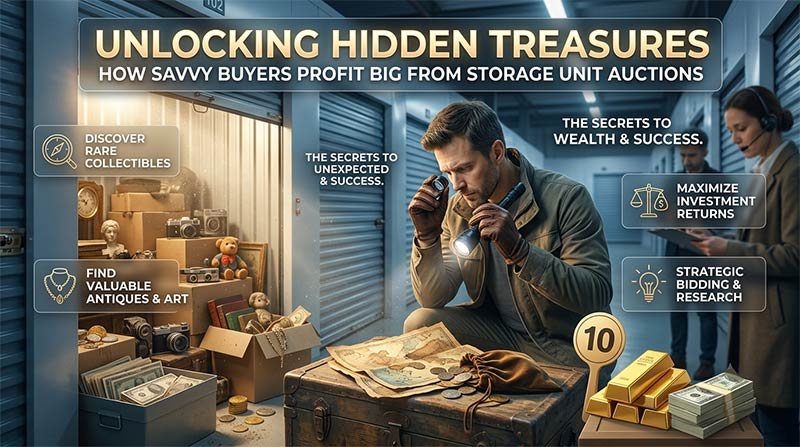
Why Storage Unit Auctions Still Work in 2026
When tenants stop paying rent, storage facilities eventually auction off the contents to recoup losses. These aren’t fire sales for the facility—they’re a last resort after notices and grace periods. Buyers bid on the entire unit sight-unseen beyond a quick peek from the doorway (no rummaging allowed). You win, clear it out fast (often 24-48 hours), sort the contents, and resell what has value.
The appeal? Low entry barriers and high upside. A $100–$500 winning bid on a unit packed with furniture, tools, collectibles, or vintage goods can yield thousands after resale on eBay, Facebook Marketplace, Craigslist, or at flea markets. I’ve seen stories of people turning modest investments into serious returns—not every time, but often enough to keep coming back.
Real Stories of Wins (and the Reality Check)
Popular culture loves the massive hauls: a safe with millions in cash, rare art, or a James Bond submarine car. One bidder famously turned a $500 unit into a $1.2 million reward after finding $7.5 million inside. Another scored a Willem de Kooning painting worth millions.
But let’s be honest—most units aren’t treasure troves. You’ll more often find everyday household items, clothing, furniture, and yes, a lot of junk. The real profit comes from volume flipping: clean used goods, appliances, or niche collectibles (think sports memorabilia, comics, or Beanie Babies in original packaging). One experienced flipper I came across bought dozens of units over years and built a reliable sourcing pipeline this way.
The TV shows exaggerate for entertainment, staging some drama and inflating finds. Real success demands patience, market knowledge, and treating it like a business—not gambling.
Step-by-Step Guide to Getting Started
- Research and Find Auctions Popular platforms include StorageTreasures.com, StorageAuctions.net, and LockerFox. Search by zip code for local options. Attend a few as an observer first to learn the flow.
- Prepare Like a Pro
- Set a strict budget per unit and never exceed it. Factor in cleanup, storage, and selling fees.
- Bring cash, a truck or trailer, locks, gloves, and cleaning supplies.
- Learn local laws—rules vary by state on timelines and buyer rights.
- Spotting a Winner from the Doorway Look for organized units with brand-name boxes, furniture in good condition, or hints of valuables (tools, electronics, collectibles). Avoid obviously trashed spaces full of garbage bags. Estimate resale value mentally—aim to bid no more than 50% of what you think you can recover.
- Bidding Strategy Stay calm. Don’t bid aggressively early or reveal excitement. Pros sometimes inflate bids to scare newcomers, so know your max and walk away if it exceeds it.
- Sorting and Selling Divide finds into sell, keep, donate, and trash piles. Research values quickly—apps and quick eBay comps help. Clean items thoroughly; presentation boosts prices. Furniture, vintage clothing, and tools often move fast locally.
Profit Potential: A Quick Breakdown
Here’s a realistic look at costs and returns for a typical beginner unit:
| Item | Estimated Cost/Revenue | Notes |
|---|---|---|
| Winning Bid | $100–$500 | Average range for small-medium units |
| Cleanup & Transport | $50–$200 | Truck rental, dump fees, labor |
| Resale Value | $300–$2,000+ | Depends on contents; high-end finds much more |
| Net Profit | $100–$1,000+ per unit | After time invested; scales with experience |
| Break-Even Units | 1 in 3–4 | Expect some losses to build knowledge |
Numbers based on aggregated buyer reports and guides. Your mileage will vary.
Common Pitfalls to Avoid
- Overbidding in the heat of the moment. Adrenaline is real—stick to your pre-set limit.
- Ignoring hidden costs. Mold, pests, or bulk trash disposal can eat profits.
- Lack of resale knowledge. What looks valuable might not sell. Focus on categories you understand.
- Legal surprises. Always follow facility rules; you don’t own the unit until it’s paid and cleared.
Start small, treat losses as tuition, and network with other bidders. Many share tips once you show you’re serious.
Is It Worth It for You?
Storage auctions aren’t passive income—they require hustle, storage space, and a tolerance for dirty work. But for those who love the hunt and have an eye for value, it’s addictive and genuinely profitable. In a world of rising costs, turning someone else’s forgotten junk into cash feels resourceful and satisfying. I’ve come to see it as modern-day treasure hunting with spreadsheets and eBay apps.
If you’re curious, check local listings this weekend. You might walk away with a unit full of surprises—or at least a great story. Just remember: the biggest treasure is knowledge and discipline. Happy bidding!

Disclaimer: This is for educational purposes only and not personalized financial advice. Past performance doesn’t guarantee future results. Always do your own research or seek professional guidance.