
I’ve always been drawn to the idea of money working harder than I do. After watching friends grind through traditional jobs while their portfolios sat idle, I started exploring real estate as a way to create real freedom. Commercial property leasing stands out as one of the stronger paths to passive income—not because it’s effortless, but because well-structured deals can generate reliable cash flow with less day-to-day drama than residential rentals.
This guide draws from real-world patterns in the market, common pitfalls I’ve observed, and strategies that actually deliver. Whether you’re a seasoned investor or just starting to think beyond stocks, here’s how to approach commercial leasing thoughtfully.
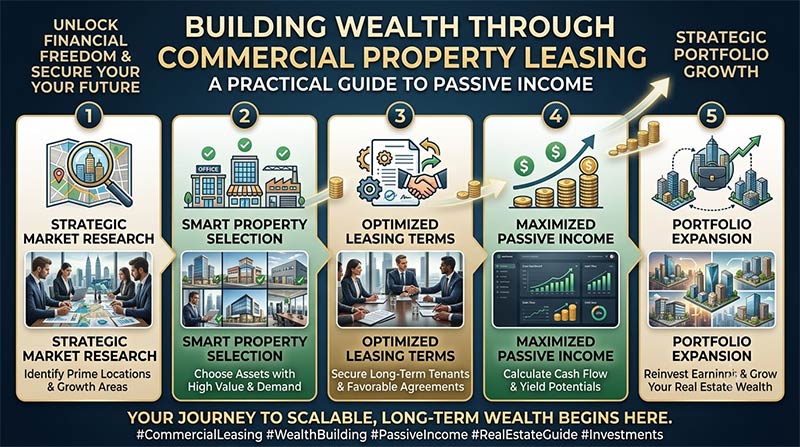
Why Commercial Leasing Beats Many Other Passive Income Plays
Commercial properties—offices, retail spaces, warehouses, industrial units—often come with longer leases (typically 3–10+ years) compared to the 12-month churn of apartments. That stability means fewer vacancies and more predictable revenue.
Tenants are usually businesses with stronger credit profiles, and many leases shift operating costs (taxes, insurance, maintenance) onto them through triple net (NNN) structures. This setup lets owners collect rent with minimal hands-on involvement.
Key advantages:
- Higher potential returns than residential in many markets due to scale and lease terms.
- Appreciation potential tied to location and economic growth.
- Tax benefits like depreciation that can shelter income.
- Diversification from stock market volatility.
That said, it’s not “set it and forget it.” Markets shift, tenants evolve, and bad deals can tie up capital for years. The goal is to tilt the odds in your favor through smart selection and management.
Getting Started: Steps for New Investors
- Clarify Your Goals and Risk Tolerance Decide if you want direct ownership (higher control, more work) or passive routes like REITs, syndications, or funds. Beginners often start smaller or indirectly to learn without massive exposure.
- Educate Yourself Learn metrics like cap rates, NOI (Net Operating Income), and cash-on-cash return. Study local markets—demand drivers, vacancy rates, and economic anchors (ports, universities, corporate hubs).
- Build a Team Connect with brokers, attorneys, accountants, and property managers early. A good property manager can make the “passive” part realistic.
- Secure Financing Commercial loans typically require stronger down payments (20–35%) and look closely at lease quality and tenant credit. Seller financing or creative structures can help bridge gaps.
- Find and Analyze Deals Focus on properties with stable tenants, strong locations, and upside potential (e.g., value-add through minor improvements).
Comparing Property Types for Passive Income
Different commercial assets suit different investor styles. Here’s a quick overview:
| Property Type | Lease Length & Stability | Maintenance Burden | Income Potential | Best For |
|---|---|---|---|---|
| Industrial/Warehouses | Long (5–10+ years) | Lower (NNN common) | Steady, high | Hands-off investors seeking reliability |
| Retail (NNN single-tenant) | Very long, credit tenants | Minimal | Predictable | True passive income |
| Office | 3–7 years | Moderate | Variable | Growth-oriented with good management |
| Multifamily (commercial scale) | Shorter, multi-tenant | Higher | Scalable | Those comfortable with operations |
Warehouses often rise to the top for passive seekers due to e-commerce demand, logical leases, and fewer emotional tenant issues.
Lease Structures That Maximize Passivity
Understanding leases is crucial. Triple Net (NNN) leases are a favorite because tenants handle most expenses, turning your role closer to a check collector. Gross leases put more costs on you but can command higher base rent in some cases.
Key tips for leasing:
- Screen tenants rigorously—credit history, business viability, references.
- Build in escalations (annual rent increases) and clear maintenance responsibilities.
- Use professionals for negotiations to avoid leaving money on the table.
Risks and Realistic Mitigation
No investment is risk-free. Commercial leasing faces:
- Vacancy and economic cycles — Mitigate with diverse tenants or prime locations.
- High upfront capital and illiquidity — Start with syndications or REITs if needed.
- Management and unexpected costs — Budget reserves (3–6 months expenses) and hire pros.
- Interest rate and market shifts — Stress-test deals with conservative assumptions.
From my perspective, the biggest mindset shift is treating it like a business, not a lottery ticket. Over-optimism on rents or ignoring due diligence (inspections, environmental reviews, title checks) burns more investors than anything else.
Optimization Strategies for Better Returns
- Focus on high-demand areas with barriers to new supply.
- Add value through cosmetic upgrades or renegotiating leases at renewal.
- Diversify across property types and geographies.
- Leverage technology for rent collection and monitoring.
- Plan exits thoughtfully—refinance, sell, or 1031 exchange to defer taxes.
Many successful investors I’ve followed combine direct ownership for control with passive vehicles for scale.
Is It Right for You?
Commercial property leasing can be a powerful engine for passive income and wealth building, especially if you value tangible assets and long-term stability. But it rewards patience, due diligence, and realistic expectations far more than hype.
Start small, learn continuously, and never invest money you can’t afford to tie up. Resources like local real estate investment groups, books on CRE fundamentals, and sites such as LoopNet for listings or Investopedia for concepts can accelerate your journey.
If you’re serious, talk to professionals tailored to your situation. The path isn’t glamorous every day, but the compounding freedom it creates is worth the effort. What’s one step you’re considering next?

Disclaimer: This is for educational purposes only and not personalized financial advice. Past performance doesn’t guarantee future results. Always do your own research or seek professional guidance.