
In the fast-paced world of content creation, finding the right soundtrack can make or break your video, podcast, or social media post. I’ve spent years tinkering with different music libraries, dealing with copyright headaches, and watching promising projects get demonetized. That’s why Epidemic Sound stands out—it’s not just another royalty-free music service; it’s a smart ecosystem that lets creators focus on storytelling while handling the legal side cleanly. Whether you’re a YouTuber grinding out daily vlogs, a filmmaker scoring indie shorts, or a podcaster building an audience, understanding how to license music through Epidemic Sound and how royalties flow can give you a real edge.
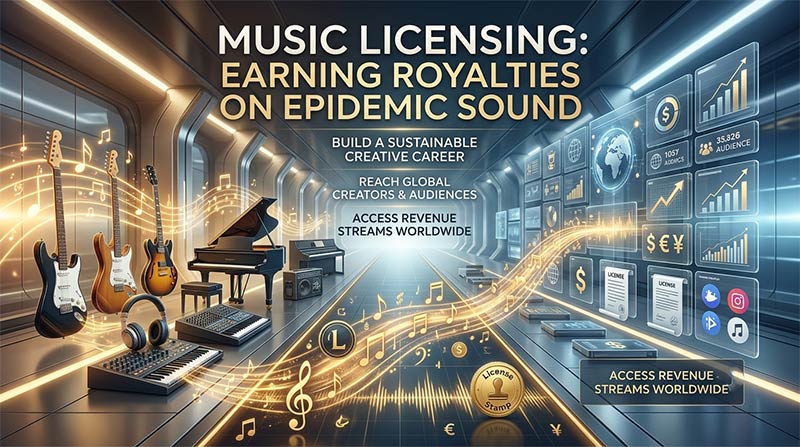
What Makes Epidemic Sound Different from Traditional Royalty-Free Music?
Most people think of royalty-free music as a one-time buy where you pay once and never worry about royalties again. Epidemic Sound takes it further with a subscription model that includes a direct license covering master rights, sync rights, and public performance rights globally. This means you can publish and monetize content across platforms like YouTube, TikTok, Instagram, Facebook, Twitch, and more without chasing separate clearances.
From my perspective, this setup feels revolutionary compared to hunting down individual tracks or dealing with fragmented PRO (performing rights organization) paperwork. It’s particularly helpful for independent creators who don’t have a team of lawyers. The catalog boasts over 50,000 high-quality tracks and hundreds of thousands of sound effects, curated to sound current and professional rather than generic stock filler.
Key Benefits for Creators:
- Unlimited downloads and use during your subscription.
- Safe monetization on major platforms.
- Protection from copyright claims when properly linked.
- Continued use of downloaded tracks even after canceling (with some conditions).
How Music Licensing Works on Epidemic Sound
Signing up is straightforward. You choose a plan based on your needs—Personal for hobbyists, Pro for freelancers and businesses, or enterprise-level options for bigger operations. Once subscribed, you link your content platforms (like YouTube channels) in the dashboard. This “safelisting” tells platforms like YouTube that you’re licensed, reducing or eliminating claims.
Here’s a quick comparison of common plans (based on typical offerings):
| Plan Type | Best For | Channels/Platforms | Key Features | Approx. Pricing Insight |
|---|---|---|---|---|
| Personal | Hobbyists & Small Creators | 1 per platform | Basic monetization, online use | Lower monthly fee |
| Pro | Freelancers & Businesses | 3 per platform | Client work, digital ads | Mid-tier |
| Business/Enterprise | Teams & Larger Projects | 5+ per platform | Indemnification, custom needs | Higher, tailored |
Note: Always check the official Epidemic Sound pricing page for current details, as plans evolve.
The licensing is “direct,” meaning Epidemic Sound owns the economic rights to the music. You get broad rights without needing extra public performance licenses for most online and some broadcast uses. This simplifies things enormously—no cue sheets for every placement or worrying about neighboring rights in different countries.
Earning Royalties: The Creator and Artist Side
Here’s where it gets interesting. Epidemic Sound isn’t just for users—it’s a revenue engine for artists too. Composers and producers get upfront payments for every track they upload (often in the hundreds to thousands of dollars), plus a 50/50 split on streaming royalties from the platform itself. There’s also an annual Soundtrack Bonus pool distributed based on popularity.
As a content creator, you don’t pay per-use royalties when your video earns ad revenue. The subscription covers it. But artists benefit from the volume of subscriptions and plays. I’ve seen creators praise this model because it supports a steady pipeline of fresh music without the old “starving artist” dynamic. Some artists reportedly earn six figures annually through consistent usage and bonuses.
This balanced approach feels fairer than pure royalty-free libraries where artists might get minimal ongoing pay. It encourages high-quality output because popularity on the platform directly ties to bonuses. For you as a user, it means better music that evolves with trends.
Practical Tips for Maximizing Your Experience
- Link Your Accounts Early: Connect your YouTube (or other platforms) right after subscribing to avoid any claim hiccups.
- Use the Search and AI Tools: Epidemic Sound’s search and Studio tool (which suggests tracks based on your video) save hours. Describe the mood, and it delivers options.
- Plan for Long-Term Use: Download tracks you love. You can keep using them post-subscription in previously published content, but new projects require an active sub.
- Diversify Your Sound: Mix genres—ambient for intros, upbeat for montages—to keep viewers engaged.
- Stay Updated: Licensing terms can shift slightly; bookmark the official how-it-works page.
One personal observation: Many creators undervalue sound design. Epidemic Sound’s massive SFX library lets you layer professional audio that elevates production value without hiring a sound engineer. In a crowded feed, that polish helps retention and algorithm love.
Potential Drawbacks to Consider
No service is perfect. Some composers criticize the exclusive rights model, as it limits certain traditional royalty streams. Pricing can feel steep for very casual users, though the value shines with regular output. Always review the full terms to match your workflow.
Is Epidemic Sound Worth It in 2026?
Absolutely, if you’re serious about scaling content without legal drama. It removes barriers so you can focus on creativity. I’ve watched friends grow channels faster after switching because they spent less time troubleshooting claims and more on consistent uploads. For artists, it’s a viable path to sustainable income in a streaming-heavy world.
Ready to level up your audio? Head to Epidemic Sound and try it free. Experiment with a few tracks on your next project—you’ll likely hear (and feel) the difference immediately.
Disclaimer: This is for educational purposes only and not personalized financial advice. Past performance doesn’t guarantee future results. Always do your own research or seek professional guidance.