
Real estate has always been one of the most reliable ways to build wealth, but for most people, buying rental properties or commercial buildings outright is out of reach. That’s where platforms like Fundrise come in, democratizing access to private real estate investments. I’ve followed Fundrise since its early days, and in 2026, it’s still one of the go-to options for everyday investors who want passive exposure without the headaches of being a landlord.
In this review, I’ll break down how Fundrise works, its actual performance, fees, pros and cons, and whether it fits into a smart portfolio today. No hype—just a straightforward look based on the numbers and real user experiences.
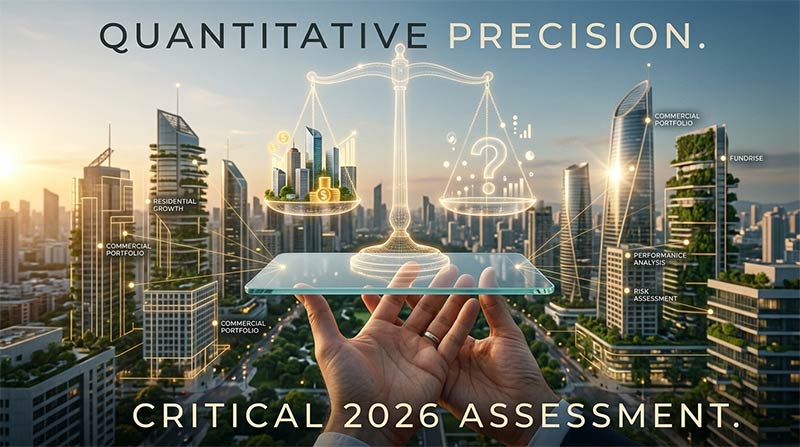
What Is Fundrise and How Does It Work?
Fundrise is an online investment platform that pools money from investors to buy into diversified portfolios of real estate, private credit, and even venture capital opportunities. Founded in 2010 and based in Washington, D.C., it stands out because it doesn’t require you to be an accredited investor. That means regular folks can get in with as little as $10.
The process is simple:
- Sign up on Fundrise’s website.
- Answer a few questions about your goals and risk tolerance.
- Choose from their flagship plans like Supplemental Income, Balanced Investing, or Long-Term Growth.
- Fund your account and let their team handle the rest.
They focus heavily on residential properties (especially build-for-rent in growing Sunbelt areas) and e-commerce industrial assets. It’s all managed through eREITs and other funds, so you get dividends from rental income and potential appreciation without dealing with tenants or repairs.
Key Features and Investment Options
Fundrise has evolved. Beyond core real estate, they offer venture capital exposure (including their Innovation Fund, which had strong performance in some years) and private credit. Their technology helps automate much of the process, including auto-invest features.
Minimum Investment: Just $10 for taxable accounts, $1,000 for IRAs. This is still one of the lowest barriers in the industry.
Fees: A straightforward 1% annual fee (0.85% asset management + 0.15% advisory). No hidden loads or performance fees in the main funds, which is competitive.
Liquidity: This is the big caveat. Investments are relatively illiquid. You can request redemptions quarterly, but they’re not guaranteed, and early withdrawals (before 5 years) can come with 1-3% penalties. In volatile periods, they’ve paused redemptions temporarily.
Fundrise Performance: What Returns Can You Expect?
Historical returns have been solid but not spectacular. From 2018 through 2025, the platform delivered about 5.7% annualized net returns for its real estate portfolio. Individual years vary—stronger in some, with a drawdown in 2023 when public REITs outperformed.
Longer-term user reports (5-9 years) often show total returns in the 75-100% range with reinvested dividends, translating to around 8% annualized in some cases. That’s not going to make you rich overnight, but for a diversified, hands-off real estate play, it’s respectable—especially compared to the effort of direct ownership.
Performance depends heavily on your chosen plan and market conditions. Real estate shines as an inflation hedge and diversifier from stocks, but don’t expect stock-market-like upside every year.
Pros and Cons of Fundrise
Here’s a clear breakdown:
| Aspect | Pros | Cons |
|---|---|---|
| Accessibility | $10 minimum, open to non-accredited investors | Limited to U.S. investors |
| Fees | Low, transparent 1% all-in | Still eats into returns over time |
| Diversification | Broad portfolio across property types | Less control than picking individual deals |
| Ease of Use | Excellent app and platform | Redemptions not always available |
| Returns | Steady income + appreciation potential | Can lag public markets in strong bull runs |
| Additional Options | IRA support, venture exposure | Some funds (like Innovation) closed to new investors |
My Take: The low minimum and simplicity are genuine game-changers for beginners or those with smaller portfolios. I’ve seen friends start with a few hundred dollars and gradually build meaningful positions. But if you have $50,000+ and can qualify as accredited, you might find better deals with more control elsewhere.
Who Should Consider Fundrise?
Fundrise shines for:
- Busy professionals who want real estate exposure without the work.
- Beginners dipping their toes into alternatives.
- Investors looking to diversify beyond stocks and bonds.
- Those comfortable with a long-term horizon (5+ years).
It’s less ideal if you need quick access to your money or prefer hands-on investing in specific properties.
How Does Fundrise Compare to Other Platforms?
In the crowded real estate crowdfunding space, Fundrise leads for accessibility. Competitors like CrowdStreet or RealtyMogul often require accredited status and much higher minimums ($5,000–$25,000+), targeting bigger investors with individual deal selection. Platforms like Arrived offer single-property investments at low entry points but with different risk profiles.
Fundrise’s strength is its scale—they’ve deployed billions and manage a massive portfolio—which brings institutional-level opportunities to retail investors.
Is Fundrise Worth It in 2026?
After years of tracking it, my perspective is that Fundrise remains a strong, legitimate option for passive real estate investing. It’s not flashy, and it won’t beat the S&P 500 in every bull market, but it provides real diversification, reasonable income, and exposure to assets most people couldn’t access otherwise.
The key is treating it as one piece of a broader portfolio—maybe 5-15% allocation. Do your own research, understand the illiquidity, and only invest what you can afford to tie up. Start small if you’re unsure; their platform makes it easy to test the waters.
If you’re ready to explore, head over to Fundrise and see if it fits your goals. Real estate investing has never been more accessible, and Fundrise continues to make that possible without requiring you to quit your day job.

Disclaimer: This is for educational purposes only and not personalized financial advice. Past performance doesn’t guarantee future results. Always do your own research or seek professional guidance.