
The mobile app landscape keeps evolving, but one truth remains: building a great app is only half the battle. Turning it into a sustainable business is where most developers stumble. Whether you’re a solo indie creator grinding out your first project or part of a studio with millions of downloads, figuring out how to make money without alienating users is the real challenge.
I’ve spent time digging into what separates the apps quietly printing revenue from those that fade into the background. The winners rarely rely on a single tactic. They blend in-app purchases (IAP) and advertising thoughtfully, always keeping user experience front and center. Here’s a practical breakdown that goes beyond the basics.
Why Monetization Strategy Matters More Than Ever
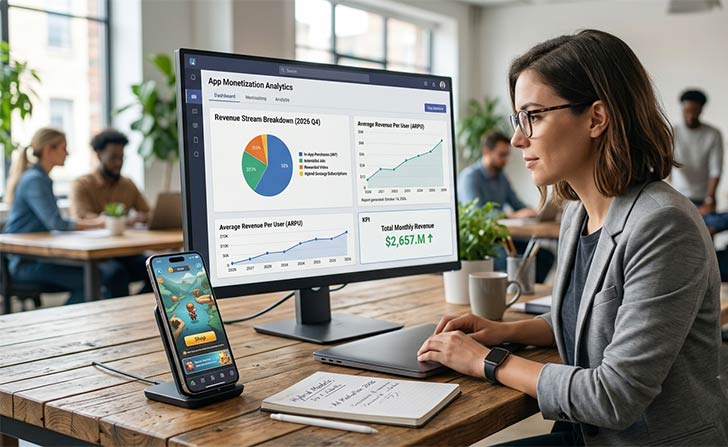
App stores are crowded. User acquisition costs keep climbing, and retention windows are shrinking. In 2026, in-app purchases still drive the lion’s share of revenue—around 48% of total mobile earnings—while advertising accounts for a solid but lower portion. The smartest apps don’t choose sides; they create multiple paths for users to contribute value.
From my perspective, the best monetization feels invisible at first. Users discover genuine value in the free core experience, then naturally encounter opportunities to enhance it—whether through a convenient purchase or an optional ad that rewards them.
In-App Purchases: Building Direct Value
In-app purchases let users buy virtual goods, features, currency, or subscriptions right inside the app. This model shines because it ties spending directly to enhanced enjoyment or productivity.
Main Types of IAPs:
- Consumables: Items that get used up, like extra lives, coins, or boosts in games.
- Non-consumables: One-time unlocks, such as premium filters in a photo app or ad removal.
- Subscriptions: Recurring access to premium content, like ad-free music or advanced AI tools.
Best Practices That Drive Results:
- Time offers around user frustration or delight moments. Show a power-up right after a tough level, not on the first screen.
- Use A/B testing relentlessly on pricing, copy, and paywall design. Tools like Adapty make this accessible.
- Prioritize fairness—avoid heavy “pay-to-win” mechanics that frustrate non-spenders.
- Offer bundles and limited-time deals to create urgency without feeling scammy.
Apps like Candy Crush have mastered this, generating billions through smart, frequent micro-transactions while keeping the core loop addictive.
Advertising: Scaling Reach Without Barriers
In-app ads let you monetize every user, even those who never spend a dime. With global mobile ad spend projected to keep growing, this remains a cornerstone for free-to-play apps.
Popular Ad Formats:
- Banner Ads: Persistent but less intrusive.
- Interstitial Ads: Full-screen between sessions.
- Rewarded Videos: Users opt-in for benefits like extra lives or currency.
- Native Ads: Blended into content for better engagement.
The key insight? Rewarded ads often boost both revenue and retention because they feel like a choice, not an interruption.
Implementation Tips:
- Never overload early sessions. Let users fall in love with the app first.
- Target ads contextually and respect privacy regulations.
- Monitor eCPM (effective cost per mille) and user churn closely.
- Platforms like Google AdMob or alternatives such as AppLovin provide solid starting points.
In-App Purchases vs. Ads: A Quick Comparison
Here’s a straightforward table summarizing the trade-offs:
| Aspect | In-App Purchases | Advertising | Hybrid Approach |
|---|---|---|---|
| Revenue per User | High (from paying “whales”) | Lower but consistent across all users | Highest overall potential |
| User Reach | Smaller percentage of users | Nearly 100% of users | Maximizes both |
| User Experience | Can enhance if done right | Risk of disruption if overdone | Balanced when thoughtful |
| Implementation | Requires strong in-app economy | Easier with SDKs | More complex but rewarding |
| Revenue Stability | Predictable from loyal users | Fluctuates with engagement & fill rates | Most resilient |
| Best For | Games, productivity, creative tools | Casual games, utilities, content apps | Most successful modern apps |
Making the Hybrid Model Work
The real magic happens when you combine both. A user might watch a rewarded ad for a quick boost one day and later decide to buy a subscription for permanent convenience. Spotify and many games demonstrate this beautifully—free tiers with ads fund growth, while premium removes friction and adds features.
From experience observing trends, the apps that thrive respect user psychology. They track metrics like lifetime value (LTV), churn after ad exposure, and conversion rates on IAP prompts. Experiment constantly, but always prioritize long-term retention over short-term gains.
Platform Guidelines to Know:
- Follow Google Play’s monetization policies carefully, especially for ads and in-app billing.
- Apple’s rules emphasize clear value and non-intrusive experiences—review their App Review Guidelines.
My Take: The Human Side of App Monetization
I’ve seen too many developers chase aggressive monetization only to watch ratings tank and users flee. The apps I respect most treat monetization as an extension of the value proposition. If your free version already solves a real problem or delivers genuine fun, users become more willing to support it—whether through a purchase or by tolerating a few relevant ads.
In 2026, with AI features exploding in apps, there’s new opportunity in premium unlocks for advanced capabilities. But don’t forget the basics: transparency builds trust. Be upfront about what users get for free versus paid, and you’ll foster loyalty that compounds over time.
Effective mobile app monetization isn’t about picking IAP or ads—it’s about understanding your audience and crafting experiences where paying feels natural. Start simple: launch with a solid free core, integrate one or two ad formats and basic IAPs, then iterate based on real data.
Test relentlessly, listen to feedback, and remember that the most profitable apps are often the most enjoyable ones. The goal isn’t to extract every possible dollar—it’s to build something users love enough to invest in, one way or another.
If you’re working on an app right now, focus first on retention. Everything else flows from there. Good luck out there—2026 looks like a strong year for creators who get the balance right.
Disclaimer: This is for educational purposes only and not personalized financial advice. Past performance doesn’t guarantee future results. Always do your own research or seek professional guidance.