
Life has a way of throwing curveballs when you least expect them. A sudden job loss, a major car repair, a medical bill, or even a global event that disrupts everything. Without a dedicated emergency fund, these moments can force you into debt, stress, or desperate decisions. I’ve seen too many people who were doing fine one month end up scrambling the next. Building an emergency fund isn’t just smart financial advice—it’s one of the most empowering moves you can make for your peace of mind and long-term freedom.
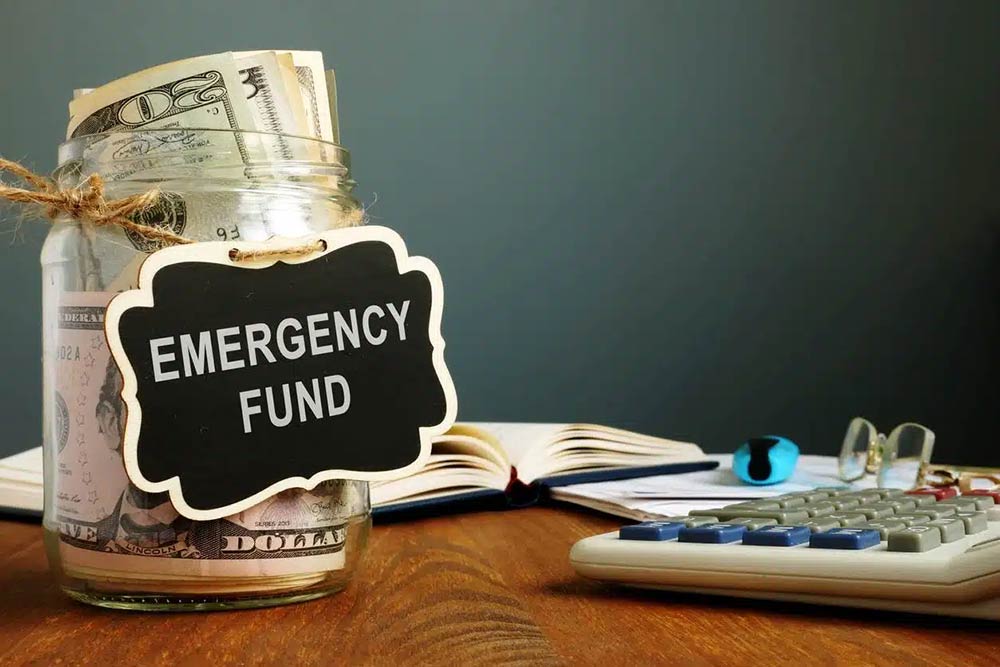
An emergency fund is cash set aside specifically for unexpected expenses. It’s not for vacations, new gadgets, or even planned big purchases. Think of it as your personal financial airbag.
Why Most People Skip This (And Why You Shouldn’t)
The main reason people delay building one is simple: life feels expensive already. Between rent, groceries, subscriptions, and trying to enjoy yourself, saving extra can feel impossible. But here’s the reality I’ve observed—those who have even a modest buffer sleep better, make clearer decisions, and recover faster from setbacks. In today’s world of gig work, inflation swings, and economic unpredictability, going without one is like driving without insurance.
Financial experts generally recommend having 3–6 months of essential living expenses saved. If you’re self-employed, have irregular income, or support a family, aim closer to 6–12 months.
Step-by-Step Guide to Building Your Emergency Fund
Step 1: Calculate Your Monthly Essentials List out what you truly need to survive each month—rent/mortgage, utilities, groceries, transportation, insurance, minimum debt payments, and childcare if applicable. Ignore the nice-to-haves for now.
Multiply that number by 3, 6, or 9 depending on your target. This gives you a clear savings goal. For example, if your essentials total $3,000 per month, a 6-month fund means $18,000.
Step 2: Start Small and Be Consistent Don’t wait until you can save thousands at once. Begin with whatever you can afford—$50, $100, or $200 per month. Automate the transfer right after payday so you never see the money in your checking account. Small, consistent actions beat heroic but unsustainable efforts every time.
Step 3: Choose the Right Place to Park Your Money Liquidity and safety matter more than high returns here. You need quick access without penalties or market risk.
Here’s a quick comparison:
| Account Type | Pros | Cons | Best For |
|---|---|---|---|
| High-Yield Savings Account | Easy access, FDIC insured, earns interest | Rates can fluctuate | Most people (primary choice) |
| Money Market Account | Check-writing/debit options | Sometimes higher minimums | Those wanting more flexibility |
| Traditional Savings | Simple, widely available | Very low interest | Beginners or very small funds |
| Short-Term Treasuries/CDs | Slightly higher yields | Early withdrawal penalties | Only if rates are attractive |
Look for reputable online banks offering competitive rates. Sites like Bankrate or NerdWallet regularly update top options.
Step 4: Boost Your Savings Rate
- Track your spending for one month (brutally honestly).
- Cut or reduce the obvious leaks: dining out, unused subscriptions, impulse buys.
- Increase income where possible—side hustle, sell unused items, ask for a raise.
- Use windfalls (tax refunds, bonuses, gifts) to give your fund a big jump.
Step 5: Build It in Phases
- Phase 1: $1,000 starter fund (covers most minor emergencies).
- Phase 2: 3 months of expenses.
- Phase 3: Full 6+ months target. Celebrate each milestone. This isn’t about deprivation—it’s about creating options.
Step 6: Protect and Maintain the Fund Once built, treat it like it’s sacred. Replenish it immediately after use. Review it once a year and adjust for changes in your living costs or life situation (new baby, home purchase, etc.).
Common Mistakes to Avoid
- Mixing emergency money with your regular checking account (too tempting to spend).
- Investing it in stocks or crypto—volatility defeats the purpose.
- Using credit cards instead of the fund and then never repaying properly.
- Setting an unrealistically high goal that leads to burnout.
My Perspective
In my view, an emergency fund is more than numbers in an account. It’s freedom. It buys you time to negotiate a better job offer instead of taking the first desperate one. It lets you say no to toxic situations. It reduces arguments in relationships and lowers health stress. In an era where everything feels uncertain, this is one area you can actually control.
I’ve watched friends go through layoffs. The ones with funds handled it with dignity. The ones without? Months of anxiety and debt. The difference is stark.
Start today. Even $25 this week is progress. Open that high-yield savings account, set up the automatic transfer, and watch your confidence grow along with the balance. Building an emergency fund is one of the least glamorous but most important financial habits you can develop. Future you will thank you—probably during the next unexpected storm when you’re calm instead of panicked.
You’ve got this. Financial security isn’t reserved for high earners; it’s built by consistent, intentional actions. Take the first step now.

Disclaimer: This is for educational purposes only and not personalized financial advice. Past performance doesn’t guarantee future results. Always do your own research or seek professional guidance.