
In today’s competitive job market, a strong resume gets you in the door, but the interview decides whether you land the offer. Yet many talented professionals watch opportunities slip away because their materials don’t reflect their true value or they freeze under pressure. This is where career coaching makes a real difference. Far from generic advice, personalized coaching helps you craft a resume that stands out and prepares you to interview with confidence and authenticity.
I’ve seen (and heard from countless others) how even small tweaks guided by an experienced coach can shift everything—from landing interviews at dream companies to negotiating better offers. Whether you’re switching careers, returning after a break, or aiming for that next-level promotion, strategic support turns the process from stressful to strategic.
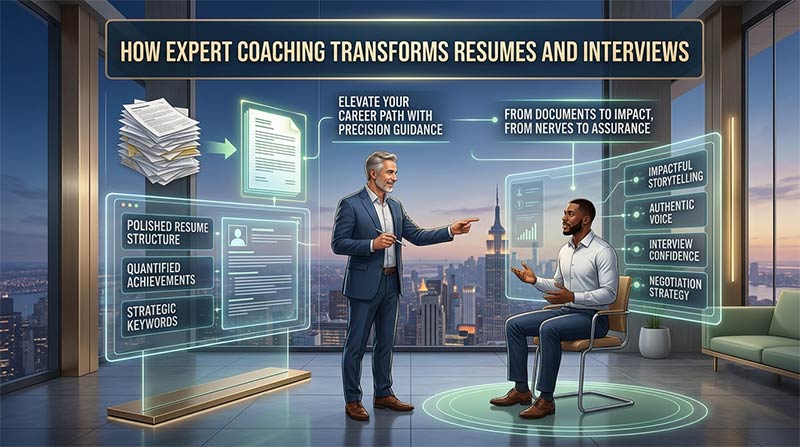
What Career Coaching Actually Involves for Resumes and Interviews
Career coaches aren’t just proofreaders or mock interviewers. They act as strategic partners who understand industry trends, hiring psychology, and how to position you as the solution to an employer’s problems.
Resume Coaching: From Generic to Irresistible
A typical resume gets about 7–10 seconds of attention from recruiters. Coaches help you make every second count by focusing on achievements over duties, tailoring content to specific roles, and incorporating keywords that pass Applicant Tracking Systems (ATS).
Key areas where coaches deliver impact:
- Quantifying impact: Turning “Managed team” into “Led a 12-person team that increased revenue by 35% in 18 months.”
- Storytelling structure: Using formats like the Problem-Action-Result (PAR) method to make your experience compelling.
- Design and readability: Clean layouts that work across devices and ATS platforms.
- Career gap explanations: Framing time away (parenting, health, further education) positively without oversharing.
Here’s a simple comparison that highlights common improvements:
| Aspect | Before Coaching | After Coaching |
|---|---|---|
| Focus | List of job duties | Measurable achievements and business impact |
| Keywords | Generic terms | Targeted to job descriptions |
| Length & Clarity | Dense paragraphs or too long | Scannable bullet points, 1-2 pages |
| Personal Brand | Standard template | Unique value proposition upfront |
Many coaches also provide LinkedIn optimization alongside resumes, since recruiters often cross-reference both. Resources like LinkedIn’s official career advice can complement this work.
Mastering Interviews: From Nervous to Natural
Interviews test more than skills—they evaluate fit, communication, and problem-solving under pressure. Coaches simulate real scenarios, refine your stories, and help you handle curveball questions.
Common coaching focuses include:
- Behavioral questions: Preparing STAR-method (Situation, Task, Action, Result) responses with genuine examples.
- Technical or case interviews: Industry-specific practice for roles in tech, finance, consulting, etc.
- Salary negotiation: Scripts and strategies that feel comfortable rather than aggressive.
- Body language and presence: Virtual or in-person tips that convey confidence without seeming rehearsed.
- Follow-up strategies: Turning any interview into a relationship-building opportunity.
One perspective I find particularly valuable: the best coaches emphasize authenticity over perfection. Hiring managers can spot canned answers a mile away. The goal isn’t to become a polished performer but to communicate your real strengths clearly and connect with the interviewer as a future colleague.
My Take: Why Coaching Feels Like an Unfair Advantage
From my viewpoint, career coaching bridges the gap between what you know about yourself and what employers need to see. In an era of AI-generated applications and mass job postings, human insight remains irreplaceable. A good coach spots patterns in your career that you might miss—like transferable skills from seemingly unrelated roles—and helps you weave them into a cohesive narrative.
I’ve observed that professionals who invest in coaching often report not just better job outcomes but renewed confidence and clarity about their long-term path. It’s less about “fixing” weaknesses and more about amplifying what already makes you exceptional.
That said, not all coaches are equal. Look for those with experience in your target industry, verifiable success stories (ask for anonymized case studies), and a style that matches your personality. Platforms like Coach.me or the International Coach Federation directory can help you find reputable options.
Common Pitfalls to Avoid
Even with coaching, watch out for these traps:
- Waiting until the last minute—start refining your resume before you need it.
- Over-relying on templates instead of customization.
- Practicing answers without recording yourself (video review reveals a lot).
- Ignoring company culture research.
Getting Started
If you’re ready to level up, begin with a self-audit: Compare your current resume against 3-5 recent job postings in your field. Note mismatches. Then consider a coach for targeted help or even a short package focused on resumes or interview prep.
Many offer initial consultations at no charge, making it low-risk to test the fit. Combine coaching with free resources like Indeed’s resume tips or Harvard Business Review’s interview guides for maximum effect.
Your next career move doesn’t have to feel like a gamble. With the right guidance on resumes and interviews, you can present the best version of your professional self—and walk into opportunities feeling prepared and excited rather than anxious. The investment in coaching often pays for itself many times over in salary gains and time saved from prolonged job searches.
What’s one area of your job search that feels stuck right now? Sometimes just naming it is the first step toward fixing it.

Disclaimer: This is for educational purposes only and not personalized financial advice. Past performance doesn’t guarantee future results. Always do your own research or seek professional guidance.