
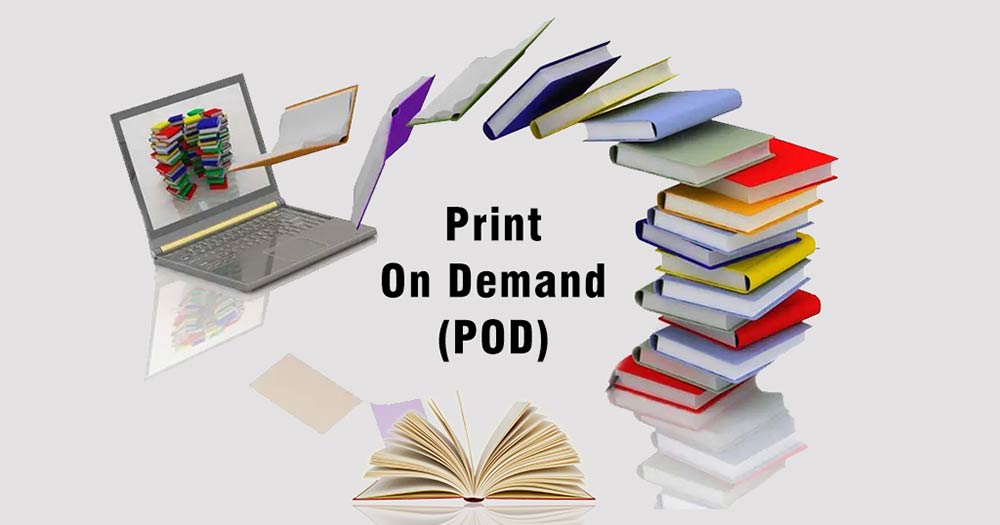
Print-on-demand (POD) still works in 2026—if you stop treating it like a lottery ticket and start running it like a real business. I’ve watched thousands of creators jump in with nothing but a laptop and a few designs, only to quit six months later when sales never materialize. The ones who stick around and actually cash checks? They pick the right platforms, obsess over niches, and treat marketing like oxygen.
Spring (still widely called Teespring by old-timers) and Redbubble remain two of the easiest, zero-upfront-cost entry points for beginners. Both let you upload designs, set prices, and let the platform handle printing, shipping, and customer service. But they reward completely different strategies. Get this wrong and you’ll waste months uploading into the void. Get it right and you can build a genuinely passive side income—or even scale it full-time.
Why These Two Platforms Still Matter in 2026
The POD space is more crowded than ever, but the fundamentals haven’t changed: people still want unique, funny, niche-specific merch they can’t find at Target.
Spring shines when you have an audience—YouTube, TikTok, Twitch, Instagram, Discord. It’s built for creators who want full control over pricing, branding, and campaigns. You can even sell digital products alongside physical ones now. Official site: teespring.com (redirects to Spring by Amaze).
Redbubble is the artist’s playground. Massive built-in search traffic, hundreds of product types (stickers, phone cases, wall art, you name it), and zero need to drive your own customers at the start. It’s slower to scale but far more passive once your listings gain traction. Head here: redbubble.com.
Getting Started: No Fluff, Just the Steps
Both platforms are free to join, but the onboarding experience feels different.
On Spring:
- Sign up at teespring.com/signup.
- Create a campaign (think limited-time drop or evergreen store).
- Upload high-resolution designs (300 DPI minimum, transparent PNGs work best).
- Set your retail price—Spring shows base cost + your profit in real time.
- Promote via social links or your own custom storefront.
On Redbubble:
- Create an account at redbubble.com.
- Go to “Add New Work,” upload your design, and apply it to every product that makes sense.
- Write a killer title, 7–10 relevant tags, and a detailed description packed with search terms.
- Set your markup (Redbubble shows the base price; you add your cut).
- Publish and let their marketplace do the heavy lifting.
Pro tip I wish I’d known sooner: upload the same design to both platforms. Different audiences, different algorithms, double the chance of sales.
Comparison: Spring vs Redbubble at a Glance
| Feature | Spring (Teespring) | Redbubble |
|---|---|---|
| Best for | Creators with existing fans | Artists & passive income seekers |
| Pricing control | Full control (set exact retail price) | Markup only on base cost |
| Traffic source | Your promotion + marketplace after sales threshold | Huge built-in search & Google traffic |
| Product range | Strong on apparel + accessories + digital | 70+ products including stickers, art prints, home décor |
| Branding & store | Custom domain + storefront options | Artist profile only |
| Payout speed | Fast once you hit targets | Monthly, reliable |
| Competition level | Lower in creator niches | High—saturation is real |
| Learning curve | Slightly steeper (campaign mindset) | Very beginner-friendly |
Design & Listing Tips That Actually Move the Needle
Forget generic “just be creative.” Here’s what separates the $50/month sellers from the $2k+/month ones:
- Niche down hard. “Dog mom” is dead. “Corgi mom who lifts weights and drinks oat milk” still works. Use free tools like Google Trends or TikTok search to validate before you design.
- Keep designs print-friendly. Bold lines, limited colors, avoid tiny text. What looks great on screen can turn into a muddy mess on a black hoodie.
- SEO is your secret weapon. On Redbubble, spend 15 minutes per listing on titles and tags. On Spring, lean into campaign descriptions that tell a story.
- Mockups matter. Both platforms generate them automatically, but clean, lifestyle shots convert better. If you’re serious, invest $10–20 in Placeit or Photopea templates.
- Test, test, test. Upload 50 designs in week one. The data will tell you what resonates faster than any “guru” course.
Marketing That Doesn’t Feel Salesy
Here’s the part most beginners ignore: these platforms don’t owe you traffic forever.
- Spring rewards creators who already have eyes on them. Share your campaign link in Stories, pin it in your bio, run a 24-hour flash sale. Fans love supporting their favorite creator.
- Redbubble lives and dies by search. Optimize for long-tail keywords (“funny pickleball grandma gift”). Once a design ranks, it can sell for years with zero extra work.
- Cross-promote. Link your Redbubble shop in your Spring campaign bio and vice versa. Build an email list early—even 500 subscribers changes everything.
I’ve seen creators hit consistent $1k–3k/month by treating this like content creation: consistent uploads + smart promotion beats “hope and pray” every single time.
Common Pitfalls That Kill POD Dreams
- Uploading low-quality or stolen art (instant bans).
- Pricing too low just to compete—your time and creativity have value.
- Ignoring shipping times and customer service. Both platforms handle fulfillment, but bad reviews still hurt visibility.
- Putting all eggs in one basket. The smartest move? Run both platforms while experimenting with your own Shopify store later.
My Take After Watching This Space Evolve
POD isn’t a get-rich-quick scheme anymore, and that’s actually good news. The barrier to entry is still low, but the people making real money treat it like a skill. They study trends weekly, refine their process, and build assets (email lists, social followings, proven designs) that compound over time.
Spring gives you the tools to feel like a real brand owner. Redbubble gives you the volume and passivity most artists crave. My personal bias? Start with Redbubble to learn the ropes and generate early wins, then layer Spring on top once you have an audience or a few viral designs.
The best part? You can literally start tonight with a free account and a $0 budget. No inventory, no risk, just your ideas meeting the right customer at the right time.
Ready to stop scrolling and start building? Pick one platform, upload your first five designs this weekend, and iterate from there. The 2026 POD winners aren’t the ones with the fanciest software—they’re the ones who simply didn’t quit.
Drop your first design, track what sells, and adjust. That’s it. That’s the entire game.
Disclaimer: This isn’t financial advice—consult a pro. Markets fluctuate, and past performance isn’t future-proof.