
Life coaching has exploded as a meaningful career path for those who love helping people navigate change, unlock potential, and build better lives. Whether you’re transitioning from corporate life, education, or another helping profession, turning your passion into a sustainable business requires more than good intentions. It demands credible credentials and smart, consistent ways to attract paying clients.
I’ve seen too many aspiring coaches pour energy into vague “mindset work” without building a real foundation. The ones who succeed treat this like a proper business: they invest in training that actually matters, pick a focused niche, and master client acquisition without burning out on endless social media posting. Here’s a practical guide drawn from what works right now.
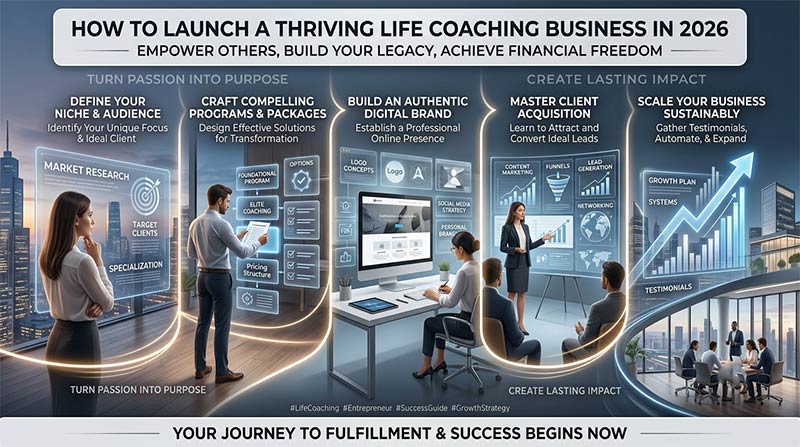
Why Life Coaching Remains a Strong Business Opportunity
The demand is real. People face career pivots, relationship challenges, burnout, and the search for purpose—especially post-pandemic and with ongoing economic shifts. Coaches who deliver tangible results command premium rates, often $200–$500+ per session or thousands for packages. Many build six- or seven-figure practices through group programs, online courses, and corporate work.
The barrier to entry is relatively low compared to therapy (no decade of schooling required), but credibility separates hobbyists from professionals. That’s where certification comes in.
Choosing the Right Life Coaching Certification
Certification isn’t strictly mandatory to call yourself a coach, but clients and referral partners increasingly look for it. The gold standard is the International Coach Federation (ICF), which offers globally recognized credentials: Associate Certified Coach (ACC), Professional Certified Coach (PCC), and Master Certified Coach (MCC).
ICF-accredited programs emphasize ethics, core competencies, and supervised practice. They typically require 60–200+ training hours plus coaching experience logs.
Top Certification Options (as of 2026):
| Program | Key Features | Approx. Cost | Best For |
|---|---|---|---|
| Coach Training EDU | Flexible payments, strong business-building focus | $4,950 flat or $475/mo | New coaches wanting practical tools |
| Institute for Life Coach Training | ICF-accredited, comprehensive | ~$4,300 | Those seeking depth and credibility |
| iPEC Coaching | Holistic approach, strong reputation | Higher (varies) | Executive or transformative coaching |
| ISSA Life Coach Certification | Online, fitness-to-life crossover | Affordable entry | Health/wellness-focused coaches |
| SUCCESS Coaching Certification | Backed by SUCCESS Magazine legacy | Varies | High-performance and business-oriented |
Start with your goals. If you want broad credibility, prioritize ICF paths. For quicker entry with solid skills, consider reputable online programs. Always verify current details on the providers’ sites and the ICF website.
From my perspective, the best certification is the one you actually finish and apply. I’ve observed that over-credentialing without real client work leads to paralysis. Pick a program that forces practice hours early.
Defining Your Niche and Setting Up Your Business
Generic “life coach” is tough to market. Successful coaches specialize: career transitions, executive leadership, burnout recovery, confidence for women in tech, parenting, or post-divorce reinvention.
Practical Setup Steps:
- Business Structure: Start as a sole proprietor or LLC for liability protection. Consult a local advisor.
- Tools: Simple website (WordPress or Carrd), scheduling software like Calendly, payment processor (Stripe/PayPal), and a CRM like HoneyBook or even Google Sheets at first.
- Pricing: Begin with discovery calls and packages (e.g., 6–12 sessions). Test what the market will bear in your niche.
- Legal/Insurance: Consider professional liability insurance.
A solid business plan helps—even a one-page version outlining your ideal client, services, and first-year goals.
Client Acquisition: Strategies That Actually Work
This is where most new coaches struggle. Posting inspirational quotes won’t cut it. Focus on providing value and building trust.
Proven Tactics:
- Content Marketing — Share free value through a blog, YouTube, or LinkedIn. Write about common problems in your niche with real solutions. SEO-friendly posts like “5 Career Pivot Mistakes to Avoid in Your 40s” attract organic traffic.
- Networking and Referrals — Attend industry events, join coach directories, or collaborate with complementary professionals (therapists, financial advisors). Offer referral incentives.
- Social Media with Strategy — Pick 1–2 platforms where your clients hang out (LinkedIn for execs, Instagram for younger demographics). Post client wins (with permission), behind-the-scenes, and offers. Consistency beats perfection.
- Webinars and Free Sessions — Host low-pressure group sessions or “breakthrough calls” to demonstrate your style.
- Paid Advertising — Once you have a proven offer, use targeted Facebook/Google ads or LinkedIn campaigns.
- Testimonials and Case Studies — Document results. Real stories convert better than any sales page.
- Email List Building — Offer a valuable lead magnet (free workbook, mini-course) and nurture subscribers.
One underrated approach: Start coaching friends and family for free or reduced rates to build testimonials and confidence. Many successful coaches landed their first paying clients this way.
Track what works. In my view, the coaches who thrive long-term combine genuine empathy with business discipline. They don’t chase every trend; they solve specific problems deeply.
Marketing Essentials and Online Presence
- Website: Clear messaging, about page, services, testimonials, and easy booking.
- SEO: Target keywords like “life coach [your city/niche]” for local or specialized searches.
- Personal Brand: Share your story authentically—clients hire people they connect with.
Avoid shiny object syndrome. Master one channel before adding more.
Common Pitfalls and Scaling Tips
- Underpricing services early on.
- Neglecting your own growth and burnout prevention.
- Trying to be everything to everyone.
Once you have consistent clients, consider group coaching, digital products, or training other coaches to scale. Many build passive income streams while maintaining 1:1 work.
The Human Side of Coaching Business
Building a life coaching practice is as much about your own transformation as your clients’. It rewards curiosity, resilience, and a commitment to truth over fluff. In an era of quick fixes and AI everything, the coaches who stand out are those who genuinely listen, challenge thoughtfully, and celebrate real progress.
If you’re passionate about this work, start small, get properly trained, and focus relentlessly on delivering results. The clients will come when you show up consistently as someone who can help them move forward. The world needs more grounded, effective coaches—go build something meaningful.
Ready to begin? Explore ICF resources and reach out to a few training programs. Your first client might be closer than you think.

Disclaimer: This is for educational purposes only and not personalized financial advice. Past performance doesn’t guarantee future results. Always do your own research or seek professional guidance.